Comments Off on Advocacy Focus successfully secure Salford Children’s Rights, Advocacy and Independent Visitors contract.
We are delighted to announce that we have successfully secured the Salford Children’s Rights, Advocacy and Independent Visitors contract. The service will launch on the 1st April 2023 and will run for the next five years. Our Advocates and Independent Visitors cannot wait to work with the children and young people of Salford.
Advocacy Focus will provide support to children and young people who are known to Childrens Social Care. For these children, it can feel like decisions are being made about them, without them, but Advocacy Focus will be there to make sure that important decisions are being made in partnership with children and young people. Advocacy helps people to understand their rights, put forward their views and wishes, and explore the different options that are open to them.
As part of the bidding process, Salford Childrens Social Care worked with children and young people to identify and select the best organisation to support them. Which makes our team particularly proud to win this contract and deliver meaningful advocacy for the children and young people of Salford. Our team of Advocates will help put the power back into the hands of young people, promote their voice when they feel unheard, and help them to understand their situation.
We also promise to offer wider benefits for the children and young people of Salford. We will be going into schools to support careers advice and talk to young people about working in the voluntary, community and social enterprise sectors and helping them to prepare for their next steps.
So committed are we to increasing the life choices of young people leaving care, we will be ensuring that those using our service can seek support from someone with lived experience. That’s why we have pledged to offer two Salford care leavers an apprenticeship with Advocacy Focus, so that they can help others make sense of their situation. We will also provide business placement opportunities for young people with additional needs to help them begin their journey into the world of work.
It is essential that children and young people in care are supported by someone independent from health and social care services. Advocacy Focus has been delivering advocacy services for 25 years and we know that the more we help young people to be their own best advocate, the better chance they will have as adults to live independently and thrive.
“We’re delighted to be chosen as the new provider for Salford Children’s Rights, Advocacy, and Independent Visitor Service, especially as the children and young people of Salford were involved in the selection process. We cannot wait to deliver our services and work with children and young people in Childrens Social Care and help them to achieve better life outcomes, whatever they may be facing or dealing with. Advocacy is all about being seen, heard and listened to and our service will do just that for the young people of Salford, helping them stay in control of their own lives.”
Comments Off on Advocacy Focus Once Again Wins QPM Award!
The Quality Performance Mark (QPM) is the only quality mark for organisations that deliver Independent Advocacy. The National Development Team for Inclusion (NDTi) is responsible for assessing and awarding organisations with QPM status. Being awarded the QPM is confirmation that an organisation is delivering the gold standard of advocacy- you are amongst the crème de la crème of advocacy services. It is widely recognised and respected across the advocacy sector. It demonstrates that an organisation is delivering advocacy in line with the Advocacy Charter. Here at Advocacy Focus we pride ourselves on quality, so much so it is included as one of our organisation’s core values. So, achieving QPM status is a huge deal for us!
The purpose of a QPM assessment is to make sure that our advocacy policies are up to date, we are following best practice, and all our delivery is in line with the QPM standards that are required to gain and hold the award. The QPM assessment gives us an opportunity to showcase to an industry expert all the work that we do, who then examines how we are delivering our advocacy services in line with the QPM standards and the Advocacy Charter. We’re then given useful feedback that we can use to shape and develop our services further.
We have proudly held QPM for many years, and every 3 years we undergo further assessment to hold our QPM status, which ensures that we continue to meet the standard. We recently underwent our assessment for QPM once again and are happy to confirm that we achieved our QPM status once more!
Some of the glowing feedback from NDTi demonstrates exactly how we are delivering quality advocacy services in line with the principles of the Advocacy Charter:
Clarity of Purpose – “Advocates had an impressive understanding of the importance of being clear about their roles, remits, and professional boundaries and how to communicate the purpose of advocacy to people who use their services and to professionals. They were clear about the purpose of all the types of advocacy they offer. This was reflected throughout the organisation.”
Independence – “Advocates and Mangers clearly prioritise their independence from service providers, funders, commissioners, and other stakeholders. They gave excellent examples of how they maintain their independence in practice and how important it is to demonstrate independence to people who use their services.”
Person-led and empowerment – “This is an outstanding area of good practice. Advocacy Focus supports self-advocacy with toolkits and other resources, such as the Justice for LB Toolkit available on the website. Advocates were clear about ways in which they work in a person-centred way and how they support people to get their voices heard. Advocacy Focus has co-produced excellent easy read guides and documents. There was a clear commitment to encouraging self-advocacy wherever possible. Advocacy Focus has a commitment to learning from people who use the services, for example using feedback from its RPR service to create a new RPR fact sheet.”
Accessibility – “Easy read options and a very clear website ensure that services are accessible, along with use of translations and interpreters when needed. The website has an excellent video: ‘What is advocacy and how can we help you to self-advocate?”
Supporting Advocates – “This is another outstanding area of excellence at Advocacy Focus. Staff report feeling very well supported and staff wellbeing is clearly prioritised. There is an open, trusting culture of honesty, peer support, managerial support, enquiry and reflection, teamwork, personal and organisational development. Staff reported manageable workloads, autonomy, and good communication. Staff and volunteers appreciate outstanding and positive leadership around wellbeing.”
As part of the assessment process the QPM assessor speaks to people who have worked closely with Advocacy Focus, including people our Independent Advocates have supported, and external professionals in the health and social care sector. Some of the wonderful feedback we received from our stakeholders included:
“My advocate understood my needs and wishes, we had rapport straight away…I’d still be there now if it wasn’t for them. There’s nothing they could have done better, she was superb. The outcome was exactly what I wanted, largely due to the advocate.” – Person who has used services
“She had a lovely manner, very skilled, very person centred.” – Person who has used services
“I could always get in touch (with the advocate), messages were always passed on and responded to. The whole services was excellent, really welcoming, nothing was too much trouble.” – Person who has used services
“(The advocate was) helpful, listened to me and what I was dealing with, help with paperwork, even though the outcome was not what I wanted, her help was phenomenal, she went above and beyond. The advocate and the company, no-one else has ever helped me like that.” – Person who has used services.
“They provide a very clear voice for the individual, their reports are very thorough with detailed evidence of what the person is saying, next steps and any action.” – Health and social care professional
“Advocates create and maintain positive working relationships whilst also being very forceful on the side of the child or young person they are working with.”– Health and social care professional
“The quality of their reports is excellent. They are like a dog with a bone, they are persistent… I have confidence that they do the job properly, they know DOLS inside out. They have the confidence to challenge where they need to. 10 out of 10.”– Health and social care professional
Hearing feedback like this makes us so proud to have an amazing team who are dedicated to going above and beyond to deliver quality advocacy worthy of the QPM award. Here’s to another 3 years of being a QPM awarded advocacy provider!
We are completely humbled by the glowing assessment, and we have big plans for the charity over the next three years, with a continued commitment to young people and adults across the North, helping people live the lives they want to live!
Are you interested in becoming a Trustee of a leading advocacy charity and Top Employer in Mind’s Workplace Wellbeing Index, 2022? We are especially keen to hear from people within underrepresented groups.
Over 12 months we supported 6381 people with complex advocacy issues.
What skills could you help us with?
Lived experience of advocacy or health and social care issues
Equity, Diversity and Inclusion
Fundraising and business development
Local government policy and procurement
Who we are:
We have provided person-led advocacy across the North of England since 1998
Our advocates support people to understand their rights, options and enable people to make informed decisions about their health and social care.
Simply put: we help people live the lives they want to live.
If you are interested in becoming a Trustee or would like more information, please email admin@advocacyfocus.org.uk
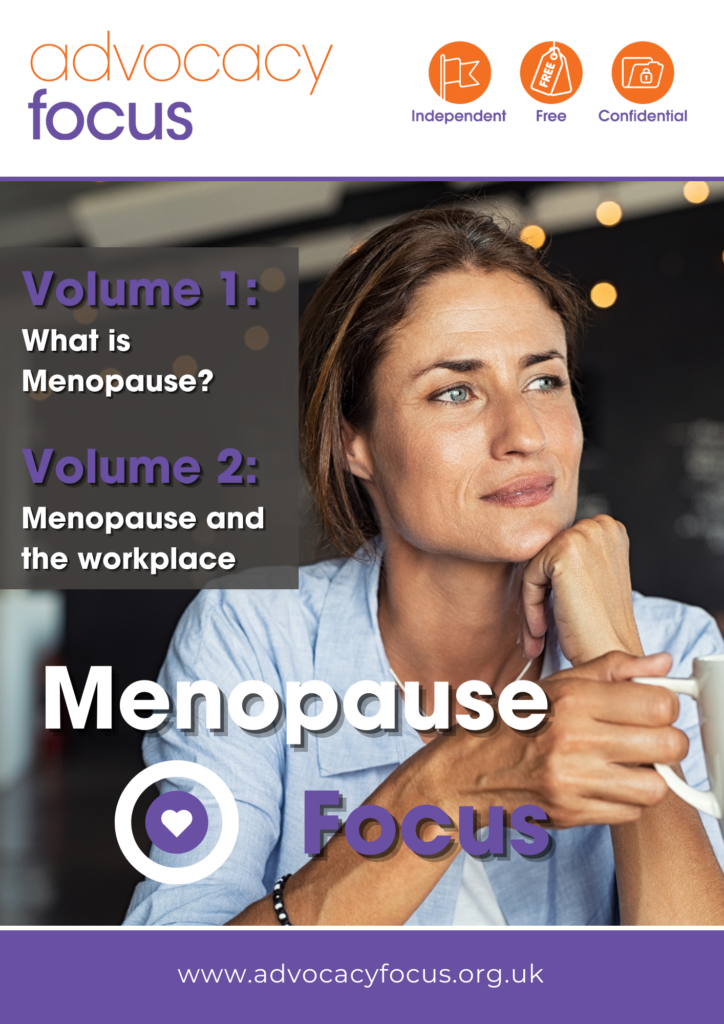
We have the first two volumes of our Menopause Focus series available to download now!
Volume 1: What is Menopause? – covers a range of topics from an introduction to what menopause is, symptoms, support groups and more! Download the booklet by clicking here!
Volume 2: Menopause and the Workplace Guide – includes tips for managing menopause at work and how to support someone at work who is going through menopause. Download the booklet by clicking here!
In March, the government launched a consultation on various documents that will support the implementation of the Liberty Protection Safeguards. This included a new draft Mental Capacity Act Code of Practice and new draft Regulations. These documents have been long-awaited since the Mental Capacity (Amendment) Act (which introduced the Liberty Protection Safeguards) was passed in 2018. It was hoped that these documents would put ‘flesh on the bones’ of the legislation and give more detail about how the Liberty Protection Safeguards (LPS) will work in practice.
What are the Liberty Protection Safeguards (LPS)?
If someone is deprived of their liberty through their care or treatment arrangements, and they lack capacity to consent to the arrangements, this must be authorised by a legal framework to ensure the person’s human rights are protected. Currently, this is authorised via the Deprivation of Liberty Safeguards (DoLS) if the person lives in a care home or is in hospital, or by the Court of Protection if the person lives in the community. LPS will replace the DoLS and will apply to all settings, so there will be no need to apply to the Court of Protection for an authorisation. LPS will also apply to people aged 16+.
What have we been doing during the consultation?
As well as preparing and submitting our consultation response, Advocacy Focus have been busy engaging with our stakeholders and colleagues from other advocacy providers. We have chaired a nationwide LPS subgroup of advocacy providers, facilitating discussion of the main talking points arising from the consultation documents. We have also signed up to a joint advocacy sector response with around 30 other advocacy providers.
We co-hosted a webinar with Kate Mercer Training and NDTI to engage the wider advocacy community with the consultation. This involved looking at some of the key provisions of the draft Code of Practice and Regulations relating to advocacy and the IMCA role (and the consultation questions relating to these) and thinking about some of the key points advocacy providers may wish to make when responding to the consultation. Neil Allen from 39 Essex Chambers also kindly attended and spoke about the good points and concerns about advocacy provision as set out in the draft Code of Practice.
We have attended meetings held by the Department of Health and Social Care to discuss our feedback on the role of the Independent Mental Capacity Advocate (IMCA) and the Appropriate Person.
We have also been discussing our thoughts and main feedback points from the consultation with our commissioners, making them aware of the changes and the level of funding that is likely to be required in order to facilitate the increased number of advocates that will be needed to implement the LPS as envisaged by the draft Code of Practice.
What points did we make in our consultation response?
In our own consultation response, we made several points relating to the provision of advocacy and how the Code and Regulations address this. We raised concerns around how neither the Regulations nor the Code set a minimum required frequency for Independent Mental Capacity Advocates (IMCAs) to visit the person deprived of their liberty (which could lead to the quality of the IMCA service becoming a ‘postcode lottery’). Further, the regulations do not give an IMCA the right to meet with the person deprived of their liberty when the IMCA is supporting their Appropriate Person – we feel that this reduces the current 39D IMCA role where the IMCA provides an additional safeguard to the person when being supported by an unpaid representative (generally family or friends). We referenced several parts of the draft Code of Practice where the role of an IMCA is incorrectly stated – e.g. IMCAs are not mediators, nor do they express a view about what is best for the person or what the person should do.
We looked at the figures estimated by the impact assessment and compared those to the current trends we see in our referral rates under DoLS. We also considered the increase in the level of responsibility in the role of the Appropriate Person (that will be taken on by a family or friend) compared to the current unpaid Relevant Person’s Representative role (RPR) and questioned whether as many people would be prepared to take on this role as the impact assessment states. We therefore made the point that the actual demand for advocacy would likely be higher than estimated by the impact assessment. We have made the point that if LPS is to be as person-centred as the draft Code of Practice envisages, it is vitally important that sufficient funding is provided to advocacy providers to train their existing advocates in LPS but also to recruit and train new advocates.
We also share the concerns raised by many others throughout the consultation period regarding the definition of deprivation of liberty as set out in the draft Code of Practice. We raised concerns that if the definition is applied as set out in the draft Code and example scenarios, lots of people who currently have a DoLS authorisation would not be eligible for an LPS authorisation, leaving lots of people heavily restricted but without any safeguards or support in place to challenge this.
What happens next?
The government will publish their response to the consultation – they have said that they will do this in Winter, so this could be late this year or early next year. There is not yet a date set for the implementation of LPS. We will continue to monitor for updates and continue to hold meetings of the advocacy LPS sub-group.
Comments Off on “Undercover Hospital: Patients at Risk” blog post
The BBC Panorama documentary “Undercover Hospital: Patients at Risk” which aired this week, clearly showed how some mental health services are still systemically failing people who need their help and support at a time of crisis. The mental health unit highlighted in the documentary is now the subject of a criminal investigation, after an undercover reporter exposed the unit’s degrading treatment and abuse towards the patients. There is still a misconception that abuse does not occur within professional services, especially since the Winterbourne View hospital abuse scandal in 2011. However, Panorama exposed a toxic culture and abusive environment within the secure Edenfield Unit in Prestwich, where detained patients were being treated in an inhumane and degrading way. Patients were being subjected to physical, emotional, and psychological abuse, instead of receiving the necessary therapeutic care and treatment to aid their recovery and subsequent discharge from the hospital.
Whilst we have no knowledge of what services or organisations may have been available to the patients within Edenfield, as an independent advocacy provider, Advocacy Focus trains our team to adopt a degree of professional curiosity. To be tuned into their gut feelings, to question, challenge and to think that if something doesn’t feel right, it usually isn’t. Any advocacy provider working within health and social care must have a presence within mental health hospitals as a priority, to help safeguard, listen to and inform people of their rights. People’s voices should never be silenced just because they are experiencing a mental health crisis. Any concerns raised should be investigated to the full extent, and the abuse stopped and prevented from ever occurring again. If patients on the wards and their families know what their rights are and who they can turn to if things go wrong, then they are bound to have better outcomes, feel safe and move towards recovery and their return home.
If you have a friend or loved one receiving treatment currently from a mental health facility, or something like this has happened to you, you can find out more about Independent Advocacy and how we can help. Advocacy Focus is independent of the local authority, health and social care services and is on your side. You are not alone and there is help available. If you need more information about the services our charity provides, you can find it here. Independent Mental Health Advocacy (IMHA) – Advocacy Focus
If you have been affected by the programme and are struggling to understand and process the events you have witnessed, then please reach out to Advocacy Focus for advocacy support or for help accessing further support from other local organisations. You can call us on 0300 323 0965, or reach out via our live chat facility at www.advocacyfocus.org.uk
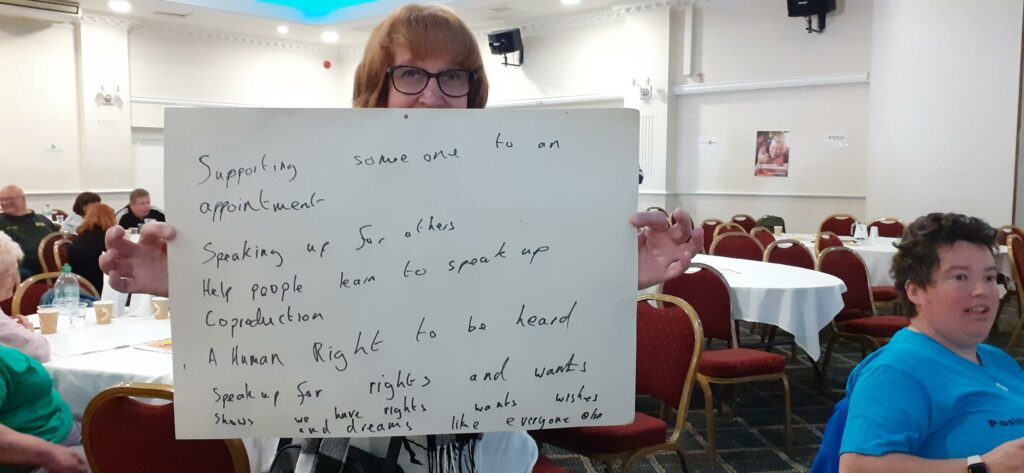
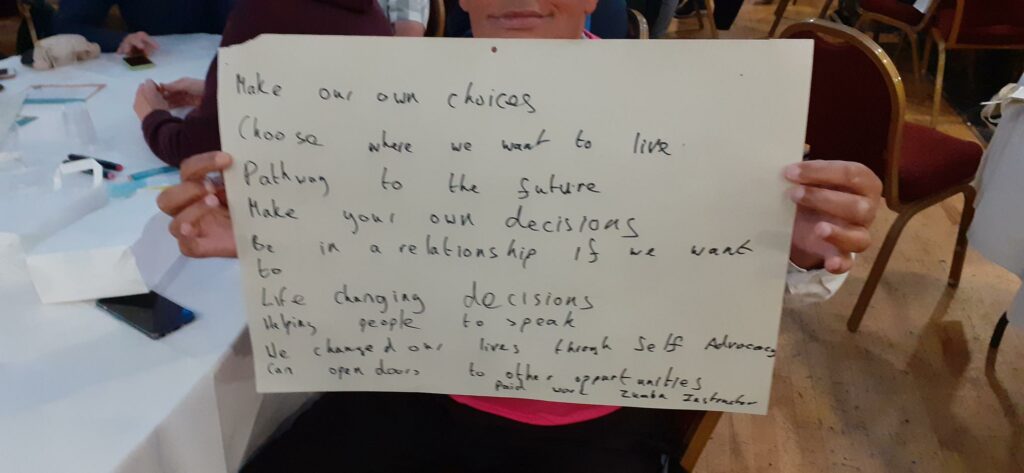
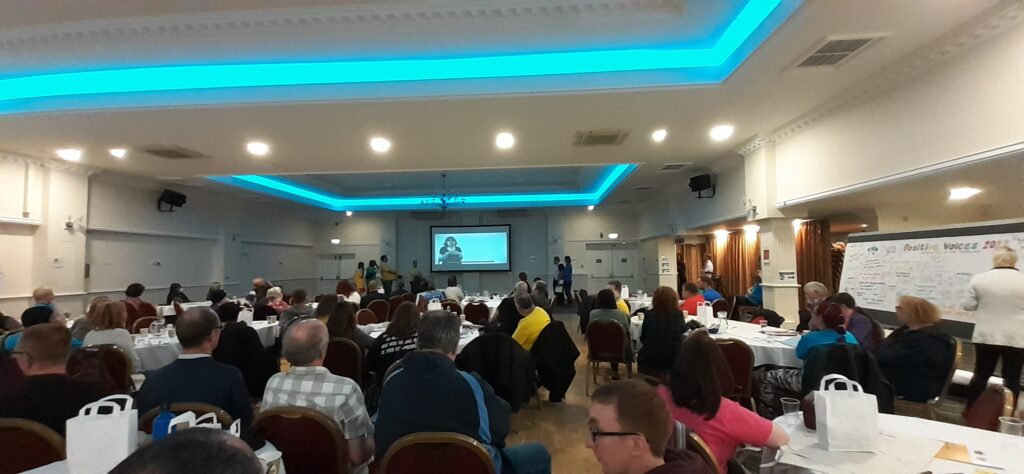
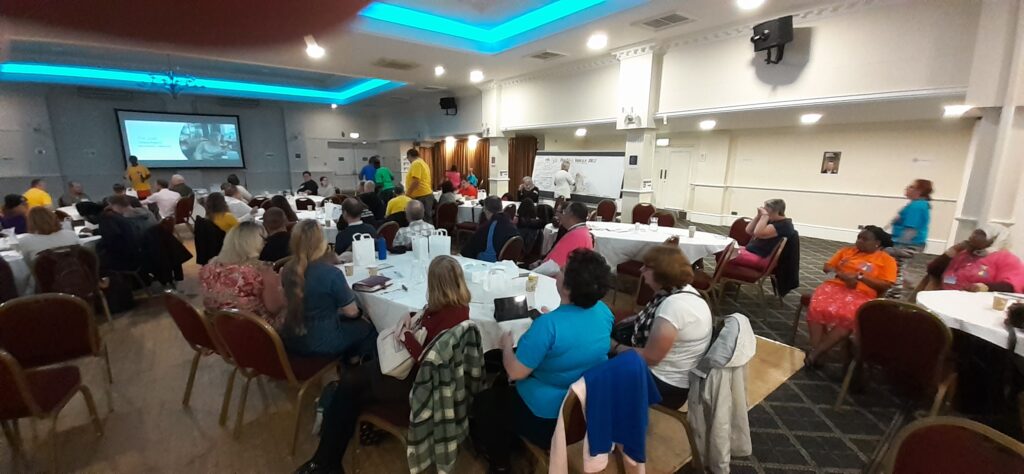
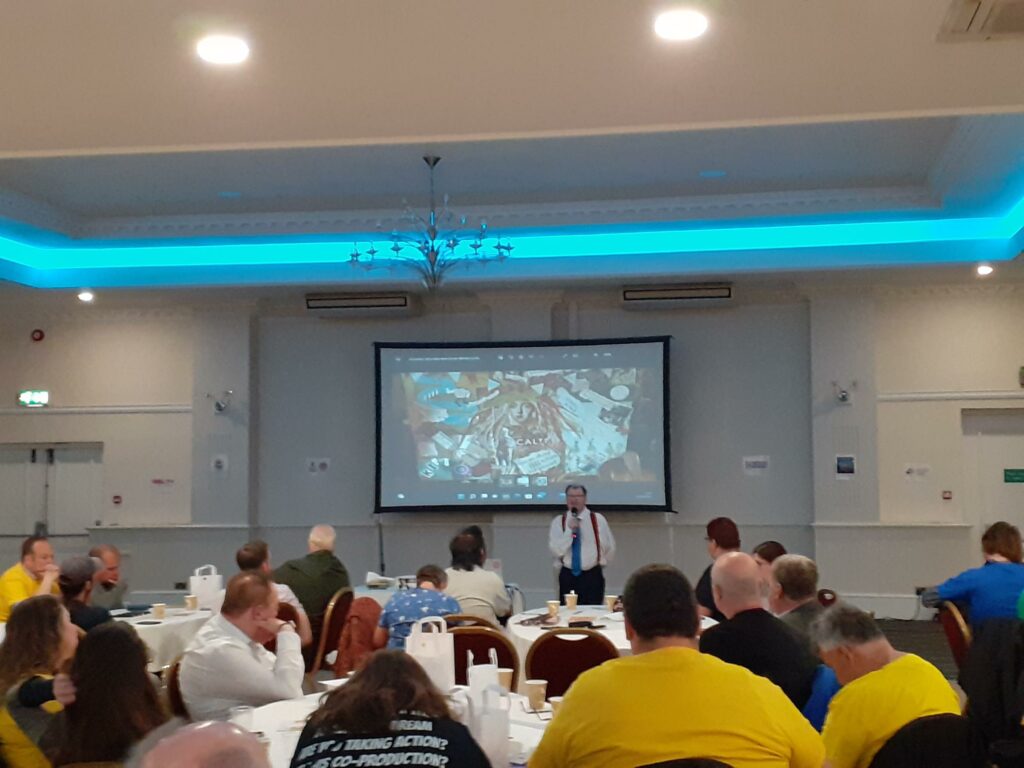
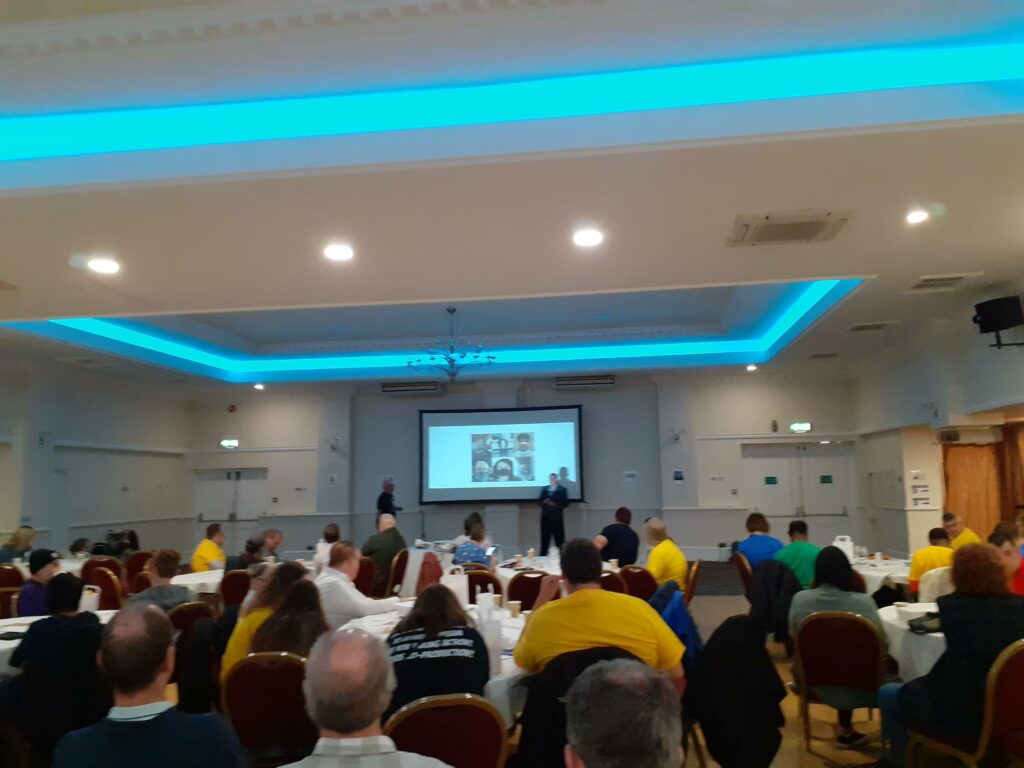
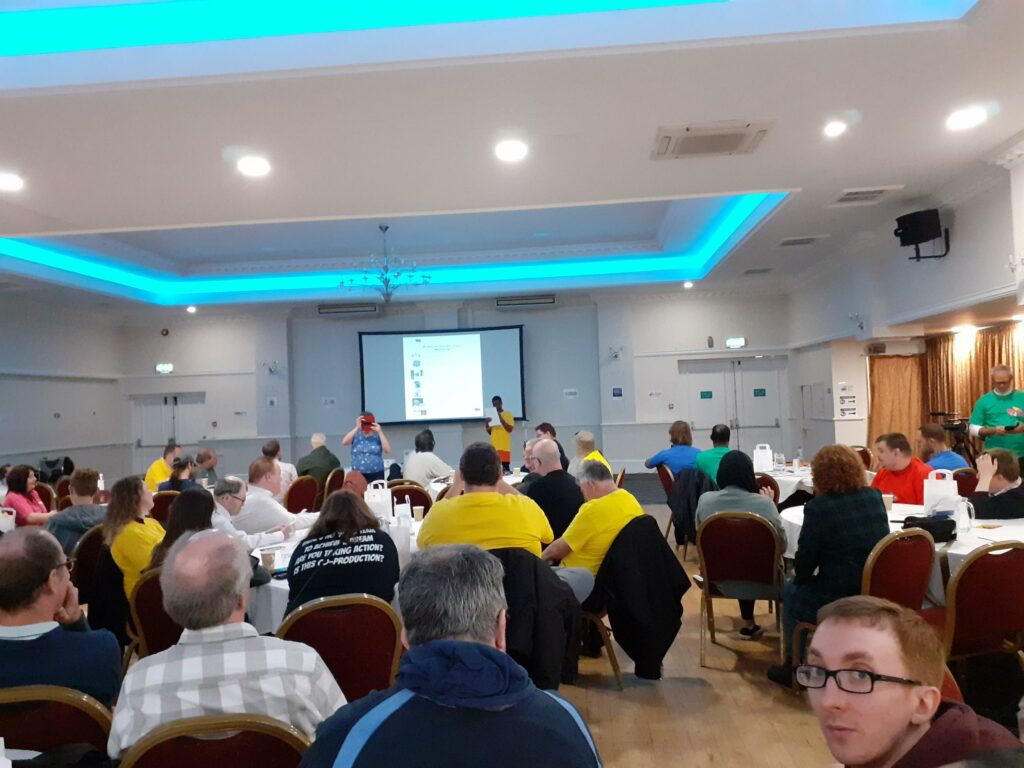
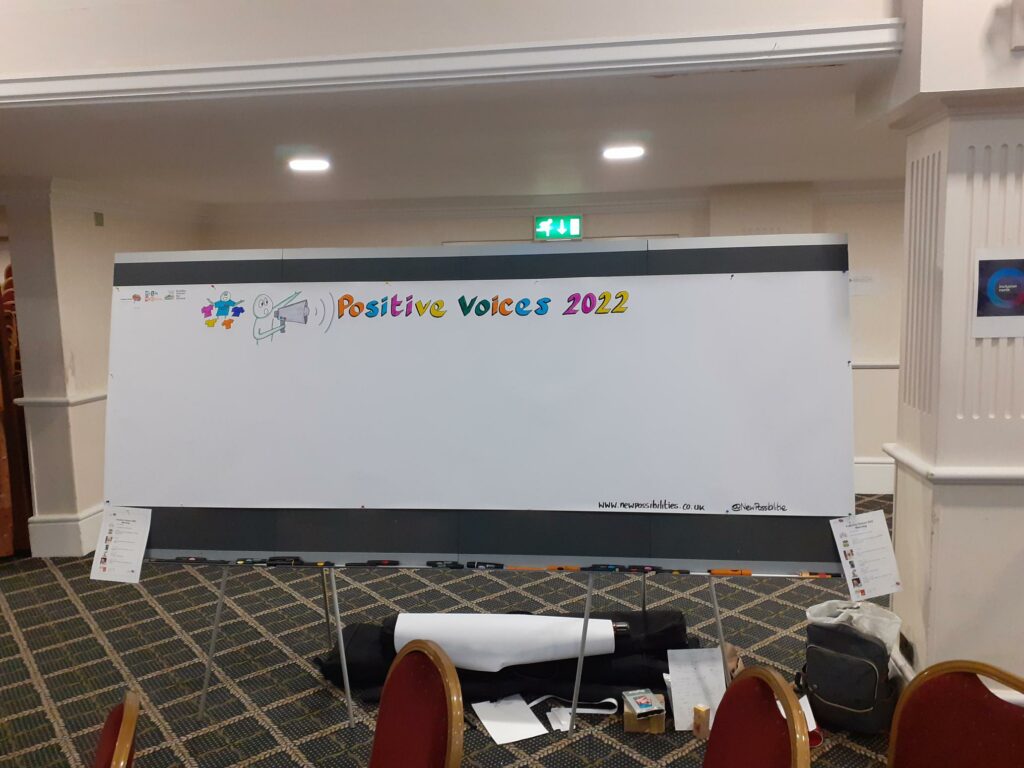
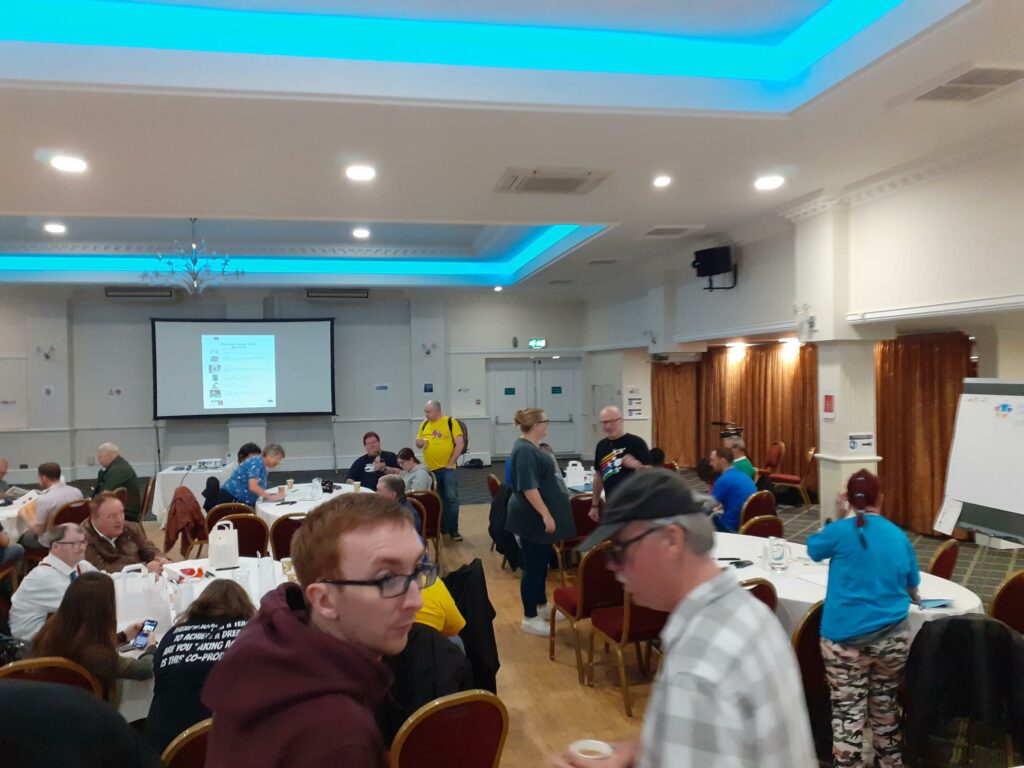
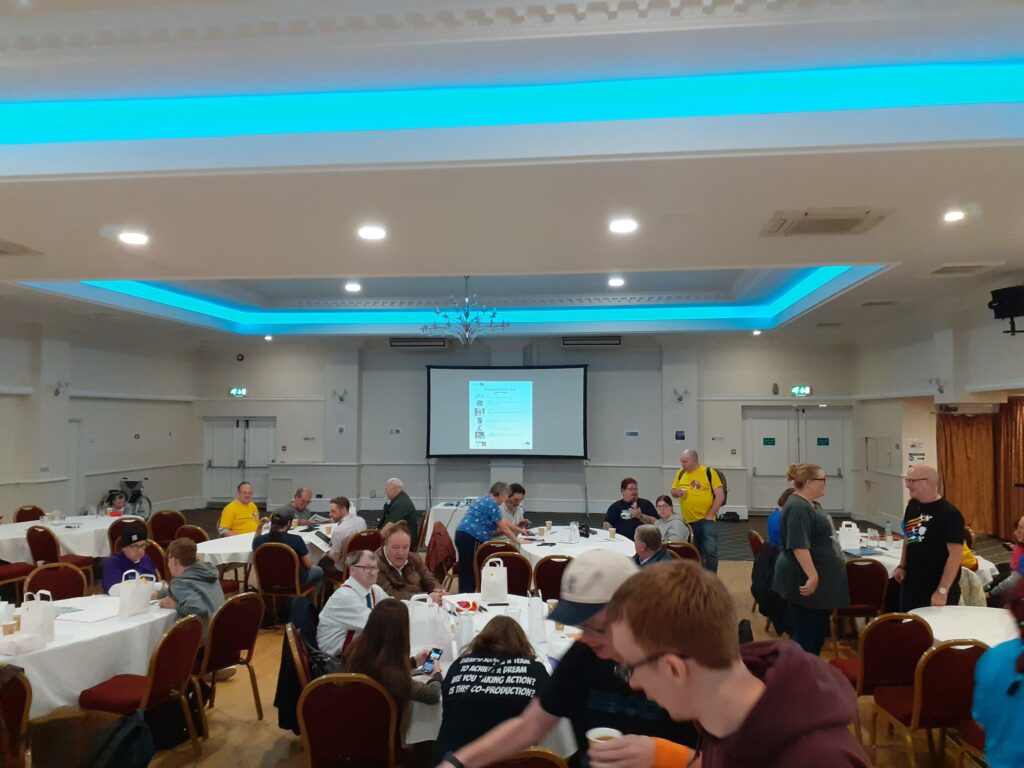
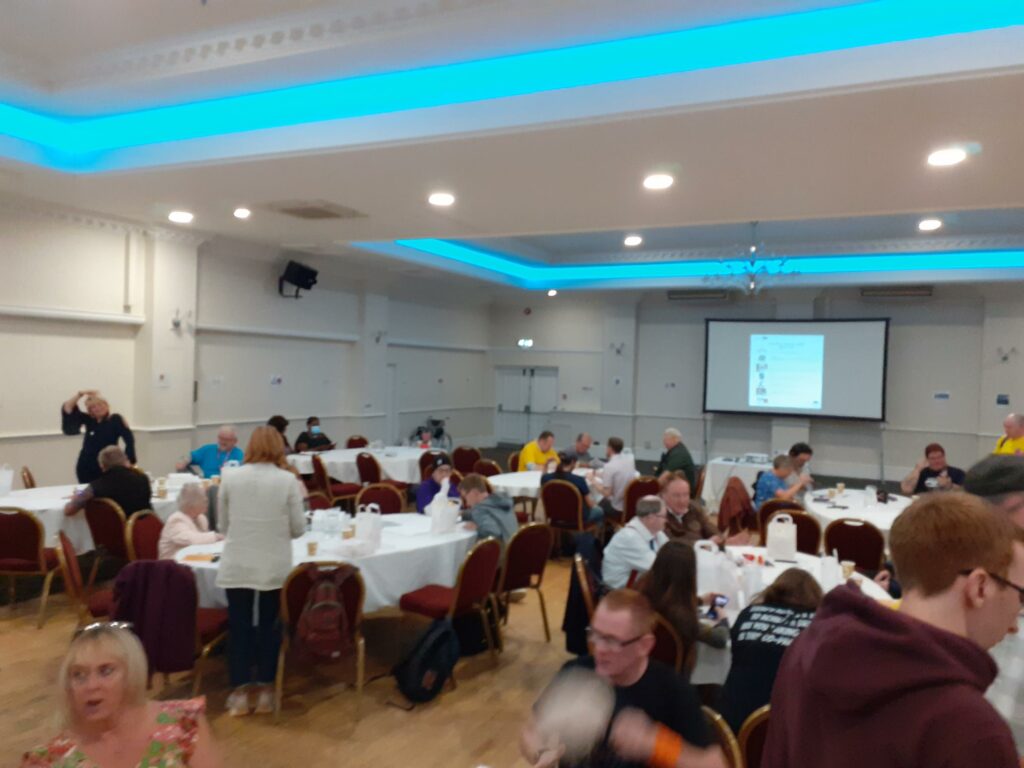
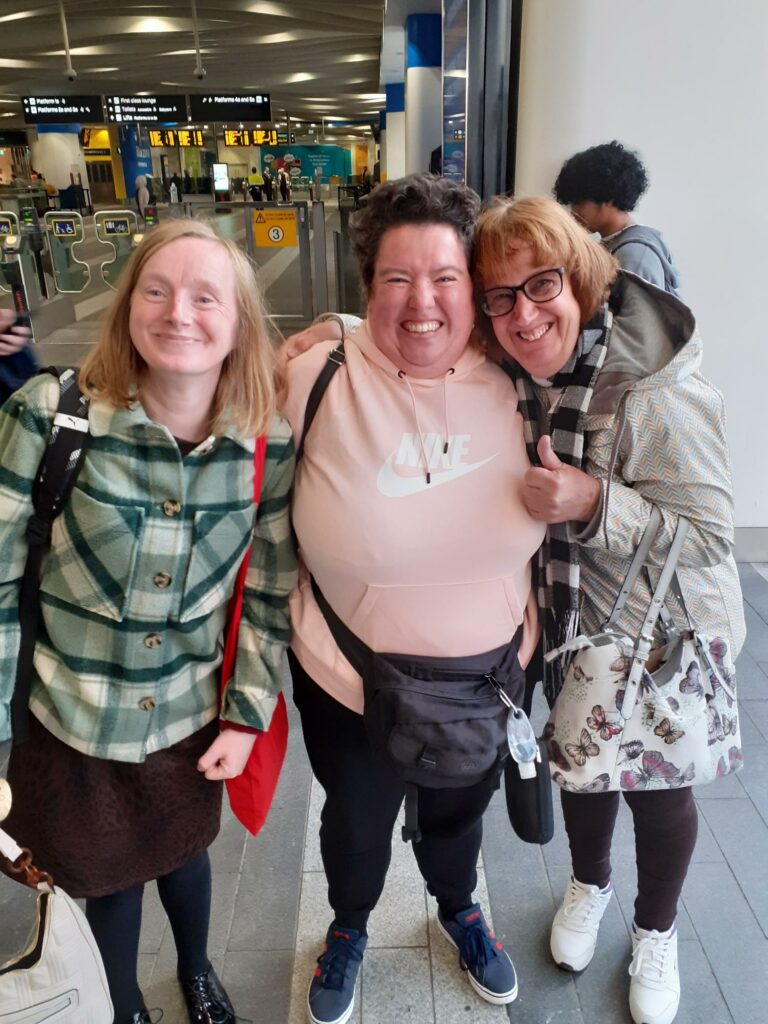
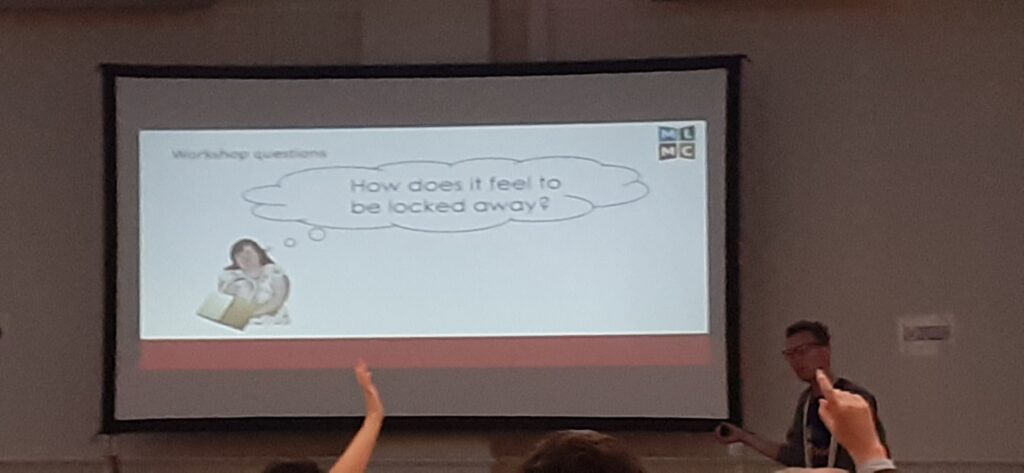
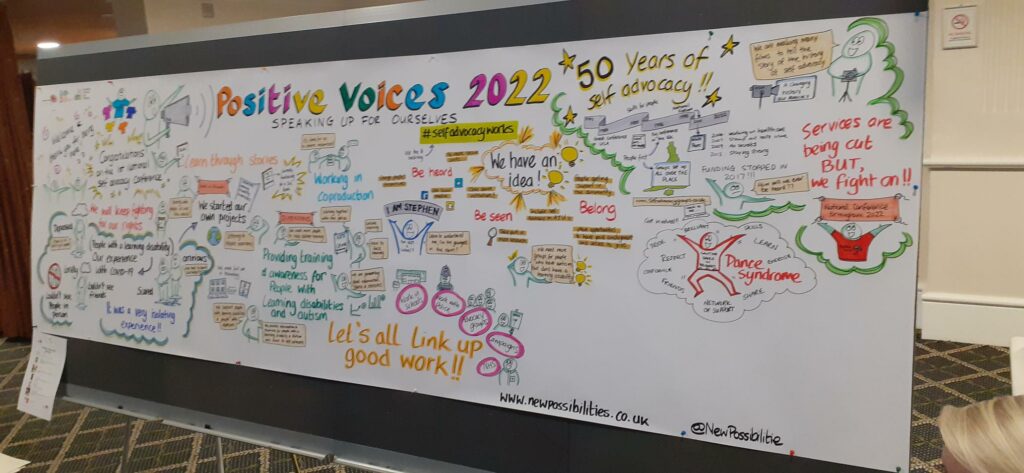
Last week some of our Advocates travelled down to Birmingham for the Positive Voices conference! This post is a collection of images from their Twitter takeover! If you want to read through the Twitter thread – just click here!
Today is #WorldRefugeeDay and it’s hard to think of a period when the international refugee regime has felt more under threat.
It isn’t just the government which is directly attacking the legal principles which were set out to protect them, across the world refugees are demonised and discriminated against.
Countries like Greece continue to operate illegal pushback operations which have already cost thousands of lives. The UK continues to enact inhumane policies, such as tagging and forced deportation. Denmark is attempting to follow suit and build on existing policies of confiscating asylum seekers’ valuables.
In France both asylum seekers and those seeking to help them routinely face attacks from the authorities. Italy has seen a concerted attempt to criminalise humanitarian assistance for those crossing the Mediterranean.
There are countless more examples, and it’s easy to feel bleak and helpless in the face of it all. We have however seen that hope shines eternal. The proposed deportation flight to Rwanda on Tuesday was stopped thanks to the efforts of diligent lawyers and campaigners. Communities have stood up, as in Peckham, to prevent immigration enforcement removing people.
#WorldRefugeeDay is all about
Protecting those who so desperately need it.
Amplify their voices and
Continuing to campaign for their rights.
Show we stand #TogetherWithRefugees, because together we can turn the tide and create a more welcoming world.
Here are some useful links if you, or someone you know, needs support:
Love146 UK (Charity that helps victims of child trafficking)
Comments Off on Masterclass on Conditional and Absolute discharge
On Tuesday 24th of May we were joined by a host of speakers from across the country to discuss conditional discharges and how Independent Mental Health Advocates and practitioners can support individuals who are subject to this section.
Perspectives were shared by legal experts, approved clinicians, the Ministry of Justice, Independent Mental Health Advocates (IMHA), family, friends, and most importantly, those with lived experience. We also launched new resources including information for conditionally discharged patients in plain English, guidance for family members and guidance for IMHA’s to support conditionally discharged patients. There is also a patient’s rights easy read in development.
Speakers included 39 Essex Chambers Barrister Neil Allen, Associate Director of Nursing Christine Hutchinson, Mike Nolan the Head of Team 2 in the Mental Health Casework Section of the Ministry of Justice, and Roger Banks who is the National Clinical Director of Learning Disability and Autism at NHS England.
You can find below the resources mentioned during the event, and we welcome you to share these widely through your networks to ensure all who need this information have access to it:
We stand together as Advocacy, Information & Advice Charities calling on the Prime Minister and our government to protect the Human Rights Act
On May 18th 2022, we wrote to the Prime Minister to raise our concerns about the proposed scrapping of the Human Rights Act, and the proposed introduction of the Bill of Rights.
Advocacy Focus has collaborated with over 40 Advocacy, Information and Advice Charities to bring attention to the important rights and protections the Human Rights Act offers our collective beneficiaries to live as equal people and to be treated with dignity.
Our letter to the Prime Minister can be read below in full. The letter was organised by the national advocacy Charity POhWER. To have your Charity or Organisation added to this letter digitally, be added to the mailing list for future campaign activity or for other queries relating to this letter please contact POhWER Chief Executive at helen.moulinos@pohwer.net or Leanne Hignett – leanneh@advocacyfocus.org.uk at Advocacy Focus who can support you with your query.
The UK has and continues to be a leader in the development and contributor of human rights law over the last hundred years. Since joining the European Convention on Human Rights (the Convention) we have been bound to comply with its provisions. The Human Rights Act brought rights home and created an important obligation for public authorities to comply with ECHR.
The Human Rights Act commits public authorities to comply with the European Convention of Human Rights in their policies, procedures and decision making. As advocates we see the positive impact Human Rights Act has had on the people we support through our charitable work.
Without the Human Rights Act, the modern advocacy profession might not exist with the same powerful impact or independent scrutiny. The Human Rights Act is at the epi-centre of a framework of rights and entitlements complemented by the Equality Act, Care Act, Deprivation of Liberty Safeguards, Liberty Protection Safeguards, Mental Health Act, Mental Capacity Act, related legislation in the devolved nations and Safeguarding.
Thanks to the Human Rights Act as advocates, we are able to independently challenge public authorities that support us in our everyday lives.
We help people to live as equal people through the cases we manage to have their human rights upheld in public services.
Advocacy is one of the many ways in which people can be supported and empowered to uphold their rights and entitlements, be provided with choices and options, and safeguarded from harm and abuse. An advocate can help a person to:
speak up for themselves or give their views
understand the process they are going through, their rights and what choices are available to them
be part of an important decision which is being made about them
prepare for and take part in meetings and tribunals
raise queries or concerns
access information in the format which is most suitable
access services that can support them
Advocates can also provide information and signpost people to other helpful services. Our intervention often means people do not need to access justice through the courts or legal pathway as our intervention empowers people and protects their human rights.
The current laws protect everyone in the UK no matter who they are or what their own situation may be. The proposed reforms would significantly reduce the legal responsibilities the Government currently has towards us and diminish mechanisms for our collective Charity beneficiaries to hold public services accountable and to be treated as equal people.
The proposed Bill of Rights would offer opt-outs to public authorities to pick and choose whose rights they supported and if/when they supported those rights. Many of the people we support are socially excluded, vulnerable and/or marginalised.
To focus this consultation on just a few minor legal technicalities and procedural nuances is diminishing the wider role the HRA 1998 plays to support people in everyday life and enable them to live as dignified people. Without HRA 1998, there would be no clear rulebook to govern expectations of conduct when dealing with public services such as Statutory Bodies, Local Authority, Prisons, NHS, DWP, Immigration, Housing and Coroner Service.
We believe the changes proposed are detrimental to our beneficiaries and would remove independent scrutiny of public services and the important role of advocacy.
We are calling on a wider study and equality impact assessment to understand the realities on the wider UK population, requesting for a meeting to share case studies and evidence on how HRA benefits the people we support every day through public authority independent scrutiny and mitigates often wider escalations in the legal process. Scrapping HRA would be detrimental to our beneficiaries, public authorities and wreak havoc with framework of other intersecting rights laws and codes of practices.
Our society remains unfair and unequal – the millions of people who sought support through our Charities should serve as significant reminder that the Human Rights Act 1998 and other protection laws are not currently being necessarily always upheld by local and central government bodies. Independent scrutiny, challenge, and freedom for people to empower themselves is a fundamental part of our society and democracy.
Yours sincerely,
Helen Moulinos, Chief Executive, POhWER
Jo Moore, CEO, Accommodation Concern
Peter Walsh, Chief Executive, Action against Medical Accidents (AvMA)
Mr Abe Ncube, Advocacy 1st, Community Connex
Leanne Hignett, Service Delivery Director, Advocacy Focus
Elssa Keegan, CEO, Advocacy Matters
Judith Davey, Chief Executive Officer, The Advocacy Project
Sabrina Solomon, Head of Service Delivery, The Advocacy Project
Ian Maxey, Deputy Head of Service Delivery, The Advocacy Project
Natasha Fox, CEO, Advocacy West Wales-Eiriolaeth Gorllewin Cymru
Philip Bramson, Chief Executive, Advonet
Ewan Roberts, Centre Manager, Asylum Link Merseyside
Sr Ruth Miller, Volunteer, Asylum Link Merseyside
Theresa Mawson, Volunteer, Asylum Link Merseyside
Kevin Keech, Volunteer, Asylum Link Merseyside
Bridie Sharkey, Trustee, Asylum Link Merseyside
Kacey Jones, Volunteer, Asylum Link Merseyside
Peter Simm, Volunteer, Asylum Link Merseyside
Ged Edwards, Volunteer, Asylum Link Merseyside
Gareth Hankinson, Staff, Asylum Link Merseyside
Steve Hawkins, Trustee, Asylum Link Merseyside
Mike Storry, Volunteer, Asylum Link Merseyside
Dr Paula Grey, Trustee, Asylum Link Merseyside
Shahzad Wilson Mukerjee, Volunteer, Asylum Link Merseyside
Hilary Hopkin, Volunteer, Asylum Link Merseyside
Jannatul Chowdhury, Staff, Asylum Link Merseyside
Chris Vick, Service Director, Advocacy Services for North East Wales (ASNEW)
Emily Barratt, Deputy Director, Brighton and Hove Speak Out
Chris Mounsher, Advocate, Brighton and Hove Speak Out
Emma Lopez, Engagement officer, Brighton and Hove Speak Out
Jeanette Goodman, Advocacy Team Leader, Brighton and Hove Speak Out
Sarah Coombes, Volunteer Coordinator, Brighton and Hove Speak Out
Sanchita Hosali, CEO, British Institute of Human Rights
Philip Kerr, Carers Federation
Angus Claydon, Director of Operations, The Care Forum
Kevin Peltonen-Messenger, CEO, The Care Forum
Michèle Stokes, Chief Executive Officer, Carers in Hertfordshire
Roma Mills, Policy and Engagement Manager, Carers in Hertfordshire
Colin Ling CEO, Chinese Wellbeing
Di Burbidge Service Development Manager, Chinese Wellbeing
Jack Davey, Advice Service Lead, CHAS Bristol
Alice Tibbert, Director, CHAS Bristol
Suzi Henderson, CEO, Cloverleaf Advocacy
Cherry Pedler, Manager, Community Support Network South London (CSN)
Garrick Prayogg, Project Manager, Cultural Diversity Network
Maria Dolly Galvis Zapata, Chief Executive Officer, The Elfrida Society
Ali F. Jabeen, Operations Manager, Specialist Advocacy Services for Parents with Learning Disabilities and/or Difficulties, The Elfrida Society
Deborah Kober Specialist Advocates for Adults and Parents with Learning Disabilities and/or Learning Difficulties, The Elfrida Society
Janay Crooks, Specialist Advocates for Adults and Parents with Learning Disabilities and/or Learning Difficulties, The Elfrida Society
Nikki Chivers, Group Facilitator for Adults with Learning Disabilities, The Elfrida Society
Lynne Stafford, Chief Executive, Gaddum
Ben Whalley, Head of Operations, Gaddum
Caroline Ridley CEO, Impact Initiatives
Louise Peim Operations and Contracts Manager, Impact Initiatives
Sam Grant, Head of Policy and Campaigns, Liberty
Katy Porter, CEO, Manor Gardens Welfare Trust
Saiqa Sahotra Community Advocate, Mary Seacole House
Alex Coombes Specialist Advocate, Mary Seacole House
Ben Allen Community Advocate, Mary Seacole House
Miatta Mac-Boimah Outreach Worker, Mary Seacole House
Simon Torkington Advocacy and Training Manager, Mary Seacole House
Dr Melvin Bradley, CEO, MhIST
Gillian Unsworth, CEO, Mind in Brighton and Hove
Sharn Tomlinson, Chief Executive Officer, Mind in Mid Herts
Michelle Kabia, CEO, Mind in Tower Hamlets and Newham
Fiona Scaife, Operational Director for Advocacy Services, Mind in Tower Hamlets and Newham
Shelu Miah, Operations Director, Mind in Tower Hamlets and Newham
Rita Hirani, CEO MindOut.
Mandy Bigden-Slack, Advocacy Service Manager, MindOut
Teresa Jennings, Chief Executive, n-compass
Rita Waters, Group Chief Executive, NYAS (National Youth Advocacy Service)